Table Of Content
It takes about 6-12 months of this once-daily use foam treatment to see results. Things that interfere with the growth cycle -- like medications, illnesses, infections, or chemicals -- have the potential to stop hair from being formed the right way. Beyond that, age, hormones, stress, and even the way you style your hair can lead to hair loss. Many people think that hair loss only affects people assigned male at birth (AMAB). However, studies show that more than 50% of people assigned female at birth will experience noticeable hair loss.
What are the signs of hair loss in women?
Hair usually regrows when your hormones get back to normal. Your hair can regain its usual fullness 6 to 9 months after childbirth. You can have hair loss as a result of physical stress, like when you give birth or have surgery, or intense emotional stress, like a death in the family, divorce, or unemployment. Hair loss can happen a couple of weeks to 6 months after any stressful experience.
Causes of teenage hair loss in males and females
If you have a deficiency, your doctor may suggest multivitamins or supplements like iron and biotin. Don't take any supplement before checking with your doctor. They may interact with other medications or supplements you take. It usually happens when you're in your late 50s or 60s.
You’re Going Through Menopause
When the shedding stops, most people see their hair regain its normal fullness within 6 to 9 months. Hair usually starts to regrow within months of finishing chemotherapy or radiation treatments to the head or neck. Dermatologists can offer medication to help hair grow back more quickly. Even if your hair loss is hereditary, there are treatments that exist that can help slow or reverse hair loss. If possible, talk with your doctor to address your concerns and rule out any serious underlying medical concerns that may be causing your hair loss.

Why is my hair falling out? Learn the causes of hair loss
Hair regrowth usually begins within a few months after you finish treatment. Female-pattern baldness typically starts with scalp hairs becoming progressively less dense. Many women first experience hair thinning and hair loss where they part their hair and on the top-central portion of the head. Hair shedding is different than hair loss, which is when hair stops growing. Reasons for hair loss include male or female pattern baldness, certain medications, and harsh chemical hair products. Depending on the cause, hair loss may or may not be temporary.
Telogen effluvium refers to the excessive shedding of hair follicles, and it occurs when hair follicles prematurely skip to the end of the hair growth cycle, she adds. According to the American Academy of Dermatology, it’s completely normal to shed anywhere between 50 to 100 strands of hair per day. However, if you’ve noticed more strands falling out of your head than normal, you may be experiencing alopecia, the medical term for hair loss. Common diagnoses include androgenetic alopecia, alopecia areata, telogen effluvium, and lymphocytic scarring alopecia, Agbai tells USA TODAY. Anagen effluvium is an abnormal and rapid loss of hair during the first phase of the hair growth cycle. This type of hair loss happens because of medical treatments or exposure to toxic chemicals.
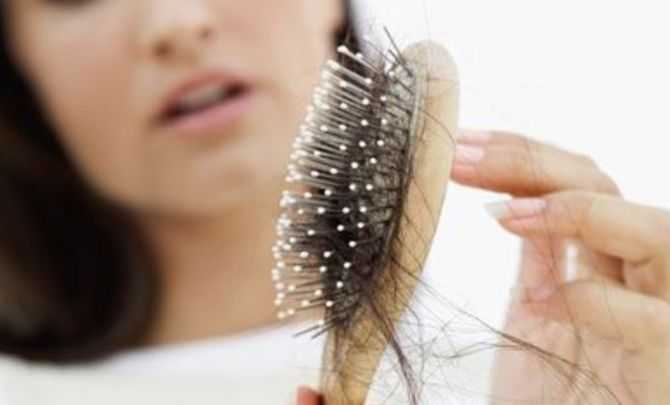
Have you suddenly noticed gobs of hair clogging your hairbrush and shower drain? Or maybe your once-lustrous locks are looking a little sparse. It’s enough to make you want to pull your hair out — if nature wasn’t already doing that for you. Hair tends to regrow on its own when the rubbing stops.
What does normal hair growth look like?

If you are taking a new medication and notice your hair is falling out or thinning, reach out to your healthcare provider. Someone poisoned with arsenic, thallium, mercury, boric acid, and lithium can lose hair as a side effect. Ingesting large amounts of warfarin, an ingredient in rat poison, can also lead to hair loss.
Don't lose hair over your hair loss - Baylor College of Medicine News
Don't lose hair over your hair loss.
Posted: Mon, 06 Nov 2023 08:00:00 GMT [source]
Hair loss: Who gets and causes
However, you have to follow directions exactly and use the product indefinitely. Don’t use this product if you’re pregnant, if you plan to get pregnant or if you’re breastfeeding (chestfeeding). Hair grows on almost all of your skin surfaces — not the palms of your hands, soles of your feet, lips or eyelids. Many of these nongenetic causes for hair loss can be successfully treated, and the hair loss averted and even reversed. Lupus is an autoimmune disease that can cause hair loss. Generally, the hair loss is patchy and accompanied by lesions on the scalp.
The sooner you find the cause, the better your outcome. The less hair you lose, the more successful treatment (or prevention) tends to be. Board-certified dermatologists successfully diagnose the cause of hair loss for many people. In hair transplant surgery, pieces of scalp tissue with the hair attached are typically taken from one area of the scalp and moved to areas of baldness. There are many other potential causes of hair loss in women. It can be helpful to keep a hair diary to track any changes you notice or symptoms you experience and to look for patterns.
This is diagnosed by observing the pattern of hair loss or blood tests. Alopecia areata is an autoimmune condition that is characterized by “round patches of hair loss on the scalp,” although it can occur elsewhere on the body, Agbai says. While the exact reason for this type of hair loss is unknown, it is generally understood that “the immune system mistakenly attacks hair follicles, leading to hair loss,” she adds. Losing your hair can be a distressing experience, but you’re not alone. Minoxidil (Rogaine) is a topical medication (the type you apply to your scalp) approved by the FDA for female pattern hair loss. It's is available over the counter as 2% and 5% solutions.
They need to be treated by a team of mental health professionals, dietitians, and other medical specialists. Hair loss is a symptom of more than 30 diseases, including polycystic ovary syndrome, ringworm on your scalp, thyroid disorders, and autoimmune diseases. You can also lose hair when you have the flu, a high fever, or an infection. Hormonal birth control like oral contraceptives, implants, injections, vaginal rings, and patches can trigger hair loss if you have a history of it in your family.
You might notice your part is getting wider or that more of your scalp is poking through your ‘do. If you’re not getting enough of one or more of these, you can have noticeable hair loss. A scalp infection can lead to scaly and sometimes inflamed areas on your scalp. You may see what look like small black dots on your scalp. If you often wear your hair tightly pulled back, the continual pulling can lead to permanent hair loss. Both the CDC and the FDA warn against treating this common childhood condition on your own with non-prescription treatments.
Getting enough protein in your diet is essential as it provides the building blocks for proper hair growth; meat, tofu, eggs, beans, grains, nuts, and fish are all good protein sources. Some studies suggest that telogen effluvium can also be connected to low levels of iron, so include iron-rich foods like leafy vegetables, lentils and liver where you can. If you like the idea of adding supplements to your routine, there are some which are specifically formulated to contain ingredients that increase hair thickness and health.
The most significant cause of hair loss in women is female-pattern hair loss (FPHL). This affects about 30 million people in the United States. Both hyperthyroidism (an overactive thyroid) and hypothyroidism (an underactive thyroid) can cause hair thinning. This hair loss is typically temporary, and treating thyroid dysfunction can help regrowth. However, some thyroid medications can also cause hair loss.


No comments:
Post a Comment